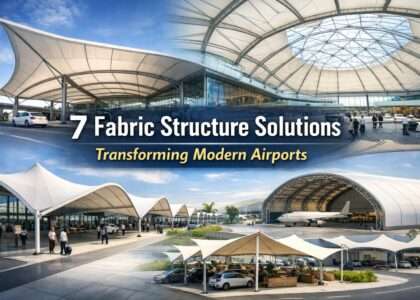

In the dynamic world of Indian urban development and sustainable design, tensile membrane structures have emerged as the gold standard for modern construction. These architectural marvels are reshaping everything from public infrastructure to commercial complexes, offering unparalleled benefits that traditional building methods simply cannot match.
Whether you’re planning a resort development, designing urban parking solutions, or creating memorable public spaces, understanding why tensile structures are the future is essential for staying ahead in India’s competitive architectural market.
What Makes Tensile Membrane Structures Game-Changing?
Tensile membrane structures are innovative, lightweight constructions crafted from high-performance, flexible fabric materials stretched between robust supporting frameworks like steel cables or frames. The result? Dynamic, flowing architectural forms that combine structural efficiency with breathtaking visual appeal.
Unlike conventional concrete and brick construction, tensile membranes deliver three critical advantages: design versatility, environmental sustainability, and modern aesthetic appeal—qualities that align perfectly with contemporary architectural demands in India’s rapidly growing cities.
1. Stunning Visual Impact That Commands Attention
The primary reason tensile structures are dominating modern Indian architecture? Their extraordinary visual presence that transforms ordinary spaces into architectural landmarks.
Create Iconic Spaces with Tensile Design
- Futuristic curves and sweeping canopies that instantly elevate any property’s curb appeal
- Organic, circular, and custom shapes that break free from conventional architectural constraints
- Landmark aesthetics that attract visitors and create memorable experiences
For example, the elegant round structure design perfectly demonstrates how form and function unite to create architectural beauty with purpose—ideal for commercial plazas, resort entrances, and public gathering spaces.
2. Unmatched Versatility Across Multiple Applications
Tensile membrane structures aren’t just visually impressive—they’re incredibly adaptable across diverse use cases, making them the smart choice for various project types.
Premium Shade & Weather Protection Solutions
Whether protecting vehicles from harsh Indian weather or creating comfortable outdoor spaces for people, tensile structures deliver superior performance. Modern car parking tensile solutions provide effective UV protection and rain coverage while dramatically enhancing the aesthetic appeal of residential complexes, commercial buildings, and institutional campuses.
Luxury Hospitality & Resort Architecture
In the competitive hospitality sector, creating distinctive guest experiences is paramount. The royal resort tent house exemplifies how tensile architecture combines luxury with functionality—perfect for resort landscaping, outdoor event venues, and premium leisure facilities that demand both style and substance.
Public Spaces & Community Gathering Areas
Transform parks, gardens, and recreational zones with beautiful tensile gazebo structures that offer comfortable shade while serving as stunning focal points for community gatherings, outdoor dining, and social events.
3. Sustainable Architecture for India’s Green Future
With India’s strong commitment to sustainability and green building standards, tensile membrane structures align perfectly with eco-design principles that matter to today’s environmentally conscious developers and consumers.
Key Environmental Benefits:
- Reduced Material Consumption: Tensile structures rely on tension engineering rather than mass, using significantly less raw material compared to traditional concrete construction
- Energy Efficiency: Light-diffusing membrane fabrics provide natural illumination during daytime hours, drastically reducing electrical lighting requirements and lowering operational costs
- Recyclable Components: Modern membrane materials are designed for recyclability, supporting LEED certification and green building compliance
- Lower Carbon Footprint: Faster installation and reduced material transport minimize construction-related emissions
Even minimalist designs like the plain tensile structure support sustainable development goals while maintaining architectural elegance—perfect for rural projects, community centers, and budget-conscious developments that refuse to compromise on environmental responsibility.
4. Superior Cost-Effectiveness Without Quality Compromise
Despite their sophisticated appearance and premium positioning, tensile membrane structures often deliver better ROI than traditional construction methods:
- ✓ Faster Installation: Reduced construction timelines mean lower labor costs and quicker project completion
- ✓ Minimal Maintenance: High-quality membranes resist weathering, UV degradation, and require little upkeep over 15-20+ year lifespans
- ✓ Flexible Configurations: Projects can be easily scaled, modified, or repurposed as needs evolve
- ✓ Lower Foundation Costs: Lightweight structures require less extensive foundation work
5. Engineered for India’s Diverse Climate Challenges
India’s vast geographical expanse creates extreme climatic variations—from scorching Rajasthan summers to heavy Kerala monsoons and humid coastal conditions. Tensile membrane structures are specifically engineered to excel in these challenging environments:
- Weather-Resistant Fabrics: Advanced materials that withstand extreme temperatures, heavy rainfall, and high humidity
- Wind Load Capacity: High tensile strength designs that meet stringent wind resistance requirements
- Integrated Water Management: Smart design slopes ensure efficient rainwater drainage and prevent pooling
- UV Protection: Specialized coatings that maintain structural integrity under intense solar radiation
This climate resilience makes tensile architecture ideal for urban plazas, transportation hubs, stadiums, waterfront developments, and outdoor commercial spaces across India’s diverse regions.
6. Leading India’s Smart City Revolution
As the Indian government accelerates investment in smart city initiatives and sustainable infrastructure, tensile membrane structures are experiencing rapid adoption across:
- Transportation Infrastructure: Metro stations, bus terminals, and railway platforms
- Urban Public Spaces: City parks, pedestrian plazas, and community gathering areas
- Commercial Developments: Shopping complex walkways, outdoor event spaces, and entertainment zones
- Hospitality & Leisure: Resorts, sports clubs, recreation centers, and wellness facilities
Their adaptability and modern appeal ensure tensile structures remain at the forefront of architectural innovation in India’s rapidly evolving urban landscape.
Ready to Transform Your Project with Tensile Architecture?
Explore our comprehensive range of tensile solutions—from practical parking canopies to luxury resort installations—designed specifically for Indian conditions and architectural preferences.
The Future of Indian Architecture Is Here
As India accelerates toward a future defined by sustainability, innovation, and digital transformation, tensile membrane architecture stands as a powerful symbol of modern design excellence that delivers real-world results.
Forward-thinking architects and developers are increasingly choosing tensile solutions not just for visual impact, but for their comprehensive benefits:
- ✓ Sustainable Performance that meets green building standards
- ✓ Functional Flexibility across multiple applications
- ✓ Economic Value with lower total cost of ownership
- ✓ Rapid Deployment for time-sensitive projects
- ✓ Climate Resilience in India’s diverse environments
Whether you’re designing practical car parking tensile structures for urban developments, creating elegant leisure zones with gazebo or resort tensile solutions, or implementing innovative round and plain tensile structures, this architectural approach represents the next wave of design inspiration transforming India’s built environment.
The question isn’t whether tensile membrane structures are the future it’s whether you’ll be part of shaping that future.