The way we design and build spaces has changed significantly over the years. Earlier, roofing was mainly about strength and protection. Today, it is also about appearance, comfort, sustainability, and cost efficiency. Because of these changing expectations, tensile structures are increasingly replacing traditional roofing systems across residential, commercial, and public projects.
At Future Tensile Structure, this shift is visible across industries. Clients who once preferred heavy concrete or metal roofing are now choosing tensile solutions that offer flexibility, durability, and modern appeal. Tensile structures are no longer considered an alternative option. They are becoming the first choice for smart construction.
Below are the top ten reasons why tensile structures are taking over traditional roofing systems.
1. Modern and Attractive Appearance
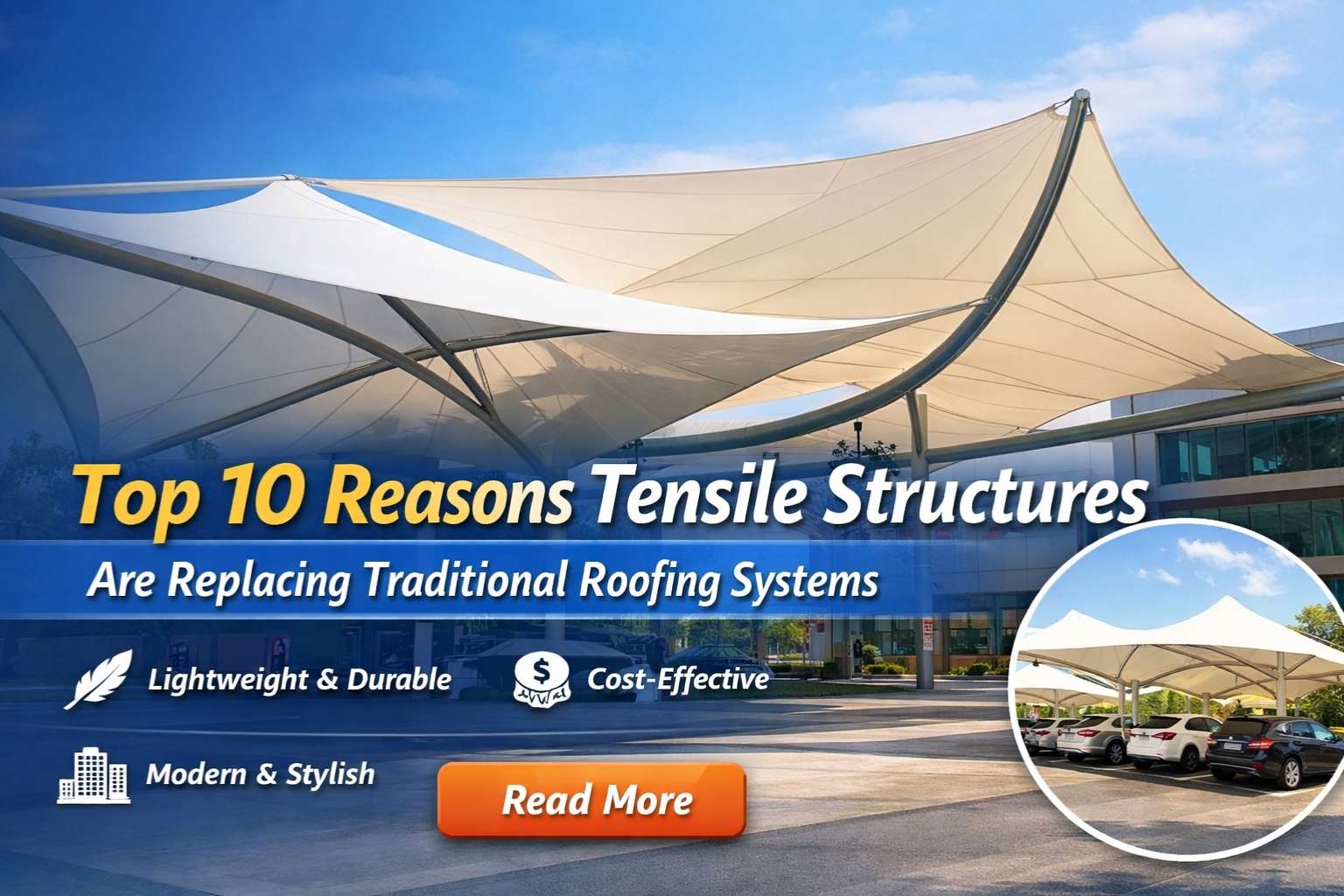
One of the most noticeable differences between tensile structures and traditional roofs is how they look. Tensile roofs feature smooth curves and flowing forms that immediately enhance the visual appeal of any space. They add character and elegance without making the structure feel bulky or closed.
From commercial complexes to resorts and outdoor seating areas, tensile roofing creates a contemporary look that aligns with modern architectural trends. This visual impact often increases the perceived value of the property.
2. Lightweight Construction with High Strength
Traditional roofing systems rely on heavy materials such as concrete, steel sheets, or tiles. Tensile structures use high strength fabric membranes supported by engineered frameworks, making them much lighter in comparison.
Despite being lightweight, these structures are designed to handle wind pressure, rain, and sun exposure efficiently. The reduced weight also puts less stress on the foundation, which is especially beneficial for large span areas.
3. Faster Project Completion
Construction time plays a crucial role in overall project cost and planning. Traditional roofing often involves multiple stages including casting, curing, and finishing, which can take weeks or even months.
Tensile structures are largely fabricated off site and assembled on location. This significantly reduces installation time and helps projects move forward quickly. Faster completion also means less disruption to surrounding activities.
4. Cost Effective Solution in the Long Term
While initial construction costs matter, long term expenses are equally important. Tensile structures require fewer raw materials and less labor compared to traditional roofing systems. This makes them cost effective from the beginning.
Maintenance requirements are also minimal. The fabric membranes are easy to clean and do not require frequent repairs. Over time, this results in lower maintenance costs and better overall value.
5. Strong Protection Against Weather Conditions
Tensile roofing systems are engineered to perform well in different weather conditions. The fabrics used are waterproof and UV resistant, providing reliable protection from rain and harsh sunlight.
In hot climates, tensile membranes help reflect heat and reduce temperature buildup under the structure. During monsoon seasons, proper design ensures efficient water drainage and prevents leakage.
6. Flexible Design Options
Traditional roofs are limited by rigid shapes and fixed materials. Tensile structures offer unmatched design flexibility. They can be customized to fit irregular spaces, large spans, and unique architectural concepts.
Clients can choose from various shapes, colors, and finishes to match the design theme of their project. This freedom allows architects and designers to bring creative ideas to life without structural limitations.
7. Improved Natural Lighting
Many tensile fabrics are translucent, allowing natural daylight to pass through while blocking harmful UV rays. This creates bright and pleasant covered spaces without excessive heat.
Better natural lighting reduces the need for artificial lights during the day, which helps save energy and improves comfort. Spaces feel more open and welcoming compared to enclosed traditional roofing systems.
8. Long Lasting Performance
Modern tensile materials are developed using advanced technology. They are resistant to tearing, fading, and weather damage. With proper installation and periodic inspection, tensile roofs can last for many years.
Unlike metal roofs that may rust or concrete roofs that may crack, tensile fabrics maintain their appearance and performance over time when properly maintained.
9. Environment Friendly Construction Choice
Sustainability has become an important part of construction planning. Tensile structures support eco friendly building practices by using fewer resources and generating less waste during construction.
Their ability to enhance natural lighting and airflow also contributes to reduced energy consumption. This makes tensile roofing an excellent option for projects aiming for sustainable and responsible development.
10. Suitable for Multiple Applications
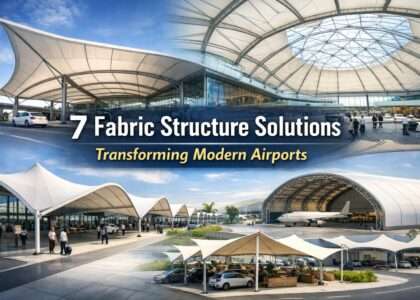
Tensile structures are highly versatile. They are used for car parking shades, walkways, stadium roofs, resorts, airports, outdoor cafeterias, entrance canopies, and public spaces.
Their adaptability allows them to be scaled for small installations as well as large infrastructure projects. This wide range of applications makes tensile roofing a practical solution across industries.
Conclusion
Traditional roofing systems served their purpose for decades, but modern construction demands more than just basic coverage. Today, buildings need roofing solutions that combine aesthetics, efficiency, durability, and sustainability.
Tensile structures meet all these requirements. They are visually appealing, cost effective, easy to install, and designed to perform in diverse conditions. This is why they are rapidly replacing traditional roofing systems across India.
If you are planning a new project or upgrading an existing space, explore the innovative tensile solutions offered by https://www.futuretensile.com/ and connect with the experts at Future Tensile Structure to bring your vision to life.